

SCANTECH AI Completes $30M Debt-Equity Restructuring, Regains Nasdaq Compliance
Introduction
SCANTECH AI SYSTEMS INC (Nasdaq: STAI) develops systems, software, and artificial intelligence designed for security checkpoint applications. Its flagship product, the SENTINEL CT® scanner, utilizes four pairs of multi-energy X-ray generators and detector arrays, employing 3D Ray-Trace Biopsy™ computed tomography to analyze carry-on and checked baggage, airline cargo, and critical infrastructure shipments.
| Ticker | Exchange | Price (USD) | Change (%) | Volume |
|---|---|---|---|---|
| STAI | NAS | 0.2783 | –25.81 | 979,642 |
Corporate Structure
Founded in 2002 and headquartered in Buford, Georgia, SCANTECH AI SYSTEMS INC employs between 11 and 50 individuals in the security systems services sector. The company's leadership team is led by CEO Dolan Falconer and supported by professionals specialized in engineering, data science, and business development. The company has partnerships with ZKTeco and Creeksource Consulting and engages with U.S. federal stakeholders, aligning with industry compliance and technology standards.
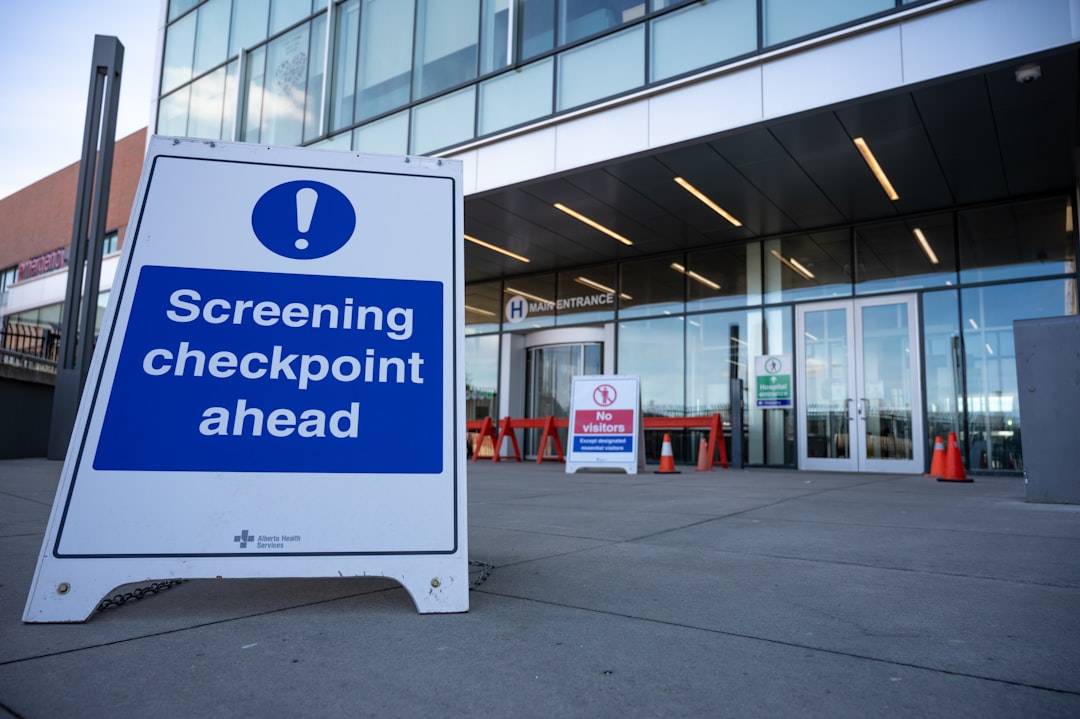
Security Screening by Graham Ruttan
Developments and News
On May 08, 2025, the company completed a $30 million debt/equity restructuring, resulting in the issuance of approximately 15 million unregistered shares to institutional stakeholders, aimed at strengthening its capital structure.
During the World Nuclear Exhibition (WNE 2025), SCANTECH AI presented its SENTINEL CT® checkpoint scanner, highlighting its application in nuclear power facility screening. In November 2025, a LinkedIn update indicated that SCANTECH AI regained Nasdaq compliance for the market value of publicly held shares, a milestone in its compliance plan.
Regulatory filings include:
- An amended Quarterly Report on Form 10-Q/A filed on November 28, 2025, which corrected disclosures from prior periods;
- Current Reports on Form 8-K filed on December 01 and December 02, 2025, covering items related to corporate events and financial statements.
Financial and Strategic Analysis
For the twelve months ended September 30, 2025, SCANTECH AI reported revenue of $1.25 million and a net loss of $23.89 million (EPS: –0.47). As of the same date, total cash held was $41,120, and levered free cash flow stood at –$104.21 million. Market capitalization is approximately $29.9 million, with a price/sales ratio of 16.21 and an enterprise value/revenue multiple of 42.52.
Strategically, the company focuses on research and development (R&D) and machine learning model development to serve diverse markets, including defense and security, aviation, nuclear and energy, ports and borders, as well as cargo freight. The recent debt/equity restructuring and Nasdaq compliance efforts indicate a focus on strengthening the balance sheet and maintaining access to capital for product development.
Market Position and Industry Context
SCANTECH AI operates within the global security screening market, which encompasses competitors in computed tomography X-ray screening and threat detection technology. Its fixed-gantry CT technology is designed to provide multi-angle imaging without the need for moving parts, differentiating it from conveyor-based systems. Compliance branding from TSA, UL, and ECAC features on the company's website, affirming adherence to relevant aviation and security standards. The use of its technology in nuclear power facilities, in conjunction with ongoing partnerships with federal agencies, positions the company within specialized sectors where operational precision and processing efficiency are essential.
tl;dr
– On May 08, 2025, SCANTECH AI completed a $30 million debt/equity restructuring, issuing 15 million shares to strengthen its capital structure.
– Exhibited SENTINEL CT® technology at the World Nuclear Exhibition 2025.
– Filed an amended 10-Q/A on November 28, 2025, and two 8-K reports on December 01 and December 02, 2025, detailing corporate events and financial disclosures.
– Regained Nasdaq compliance for market value of publicly held shares in November 2025. The future outlook involves a commercial rollout of AI-driven screening platforms and continued expansion in defense, aviation, and critical infrastructure markets.