

Vicarious Surgical Delays Clinical Trial to Focus on Robot Design, Eyes Late-2026 FDA Filing
Introduction
Vicarious Surgical Inc (NYSE: RBOT) develops a single-port robotic system for minimally invasive abdominal procedures. Founded in 2014 and headquartered in Waltham, Massachusetts, the company combines proprietary decoupled actuators with immersive-reality visualization to enable surgeons to operate through a 1.5 cm incision. As of December 3, 2025, the stock closed at $3.15, reflecting a price change of 21.15% on a volume of 149,682 shares.
Corporate Structure
Vicarious Surgical employs between 51 and 200 people across engineering, software, hardware, and clinical teams. The leadership includes CEO Stephen From, who joined in 2025, succeeding co-founder Adam Sachs (serving as president). The company is privately held in its day-to-day operations but has publicly traded Class A common stock. Its technology holds FDA Breakthrough Device Designation.
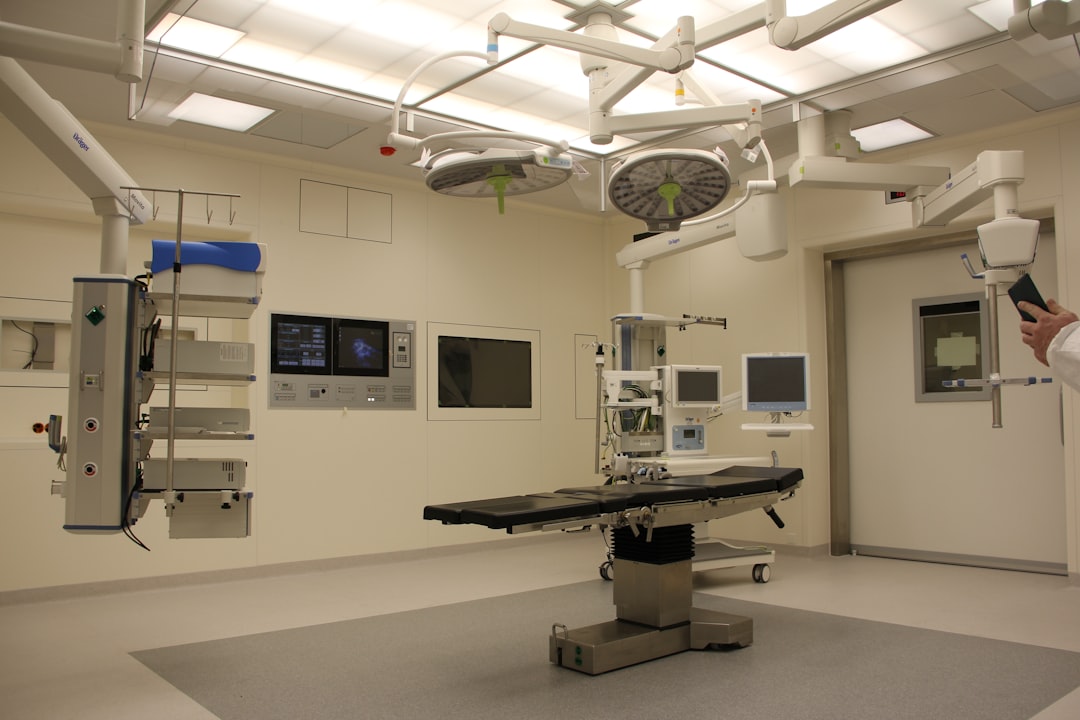
Robotic Surgery by Marcel Scholte
Developments and News
On November 12, 2025, Vicarious Surgical filed its Form 10-Q for the quarter ended September 30, 2025, detailing interim financial statements and disclosures regarding ongoing research and development (R&D) and liquidity. One day later, on November 13, 2025, the company submitted a Form S-3 registration statement to enable the resale of 2,300,000 shares of Class A common stock “from time to time after the effective date.”
On December 2, 2025, CEO Stephen From announced during the second-quarter earnings call that the company no longer expects to initiate its first clinical trial by December 31, 2025. Management will instead concentrate on finalizing the design for the commercial version of its robotic system. This shift will affect the timing of the planned de novo FDA submission, which is now targeted for late 2026.
Earlier in 2025, Vicarious Surgical entered a collaboration with UMass Memorial Medical Center. Under the agreement, the hospital will support surgeon education, inventory management, and sterilization protocols, along with joint research on patient outcomes in preparation for clinical use.
Financial and Strategic Analysis
According to Yahoo Finance data (as of December 3, 2025):
- Market capitalization stands at $21.15 million.
- Trailing twelve-month net income attributable to common shareholders is –$53.59 million (EPS –9.03).
- Return on assets is –63.37%; return on equity is –148.93%.
- Total cash on hand as of the most recent quarter is $13.41 million; total debt/equity ratio is 91.47%.
- Levered free cash flow for the trailing twelve months is –$27.78 million.
From its Q1 2025 results (ended March 31, 2025), Vicarious Surgical reported a net loss of $15.4 million compared to a net loss of $17.0 million in Q1 2024. Cash and investments totaled $37.4 million, and management projected a full-year cash burn of approximately $50 million. Given the delay in clinical trials and design completion, the company is evaluating capital strategies, including potential non-dilutive financing or expense reductions to support continuing operations until the FDA submission.
Market Position and Industry Context
Vicarious Surgical’s single-port system targets procedures such as ventral hernia, gallbladder, gastrointestinal, and gynecological cases. The technology incorporates human-inspired motion with 28 sensors per arm and immersive 3D visualization. The broader surgical robotics market is currently dominated by Intuitive Surgical, with emerging competitors like SS Innovations preparing de novo submissions for their systems. Vicarious has secured backing from investors including HCA Healthcare and Bill Gates and is pursuing industry partnerships to standardize workflows for next-generation robotic platforms.
tl;dr
Vicarious Surgical has postponed its first clinical trial, now focusing on design completion of its single-port robotic system ahead of an anticipated de novo FDA filing in late 2026. The company’s Q1 2025 cash runway and cash burn indicate a potential need for additional financing or cost management. Collaboration with UMass Memorial Medical Center aims to establish clinical protocols prior to commercialization.