

Oil Prices Surge to $100: Inflation Fears Resurface, How Much Can Wall Street Endure?
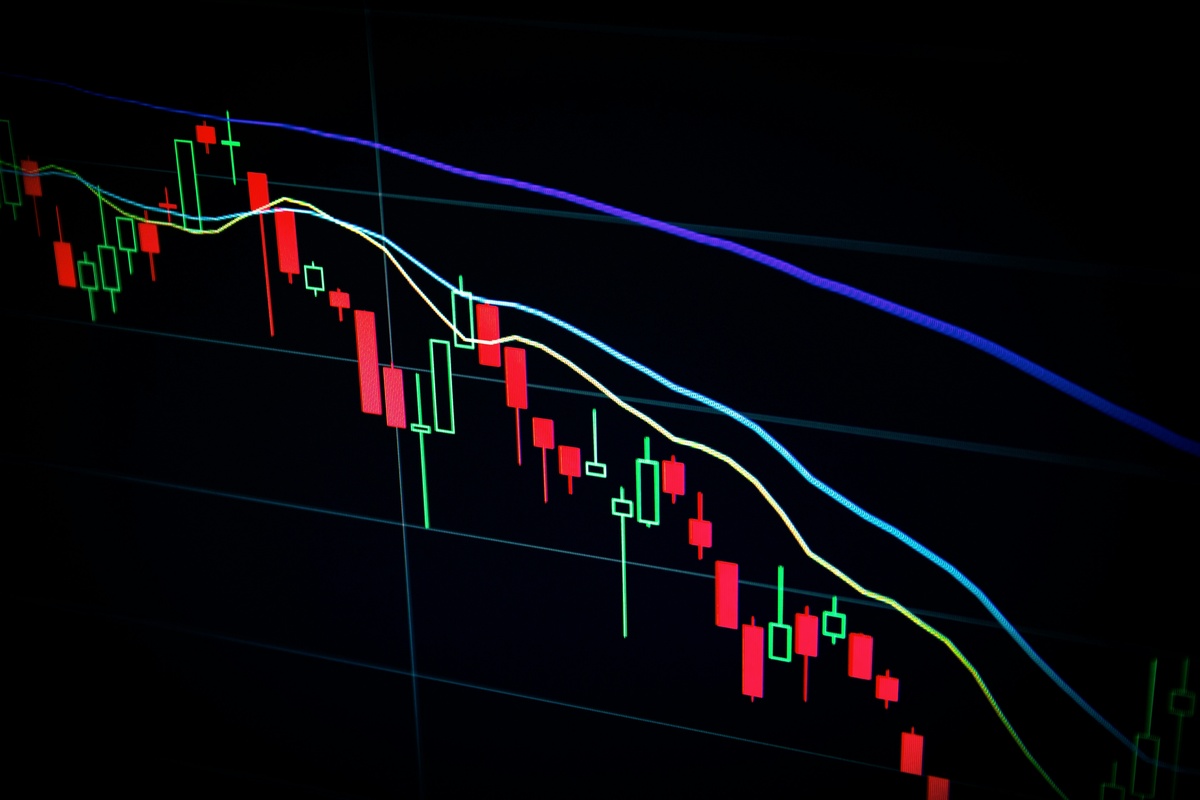
On March 13 (local time), the three major U.S. stock indices all declined. The S&P 500 fell 0.6%, the Dow Jones Industrial Average slipped 0.3%, and the Nasdaq lost 0.9%, marking three consecutive weeks of weekly weakness.
Amid the ongoing conflict involving Iran in the Middle East and the crisis in the Strait of Hormuz, Brent crude oil once again topped $100 per barrel—closing at $103.14, up 2.7% on the day. The prospect of prolonged hostilities disrupting oil supply and driving up shipping costs stoked fears of renewed global inflation, swiftly curbing risk appetite across equity markets.
Early in the session, January’s U.S. Personal Consumption Expenditures (PCE) price index broadly met expectations, but with a headline gain of 2.8% and a core increase of 3.1%, it was taken as a signal of “resurgent inflation.” Adding to concerns, fourth-quarter GDP growth was revised down to an annualized 0.7%, and the University of Michigan’s preliminary March consumer sentiment index dipped from the prior month—underscoring slowing growth and weakening consumer confidence, hallmarks of stagflation.
With the Fed’s preferred core PCE inflation holding at a higher-than-anticipated level, markets ahead of the Federal Open Market Committee (FOMC) meeting on March 17–18 have pared back expectations for further rate cuts this year. There is growing caution that the Iran conflict and surging oil prices could keep the Fed in “hold mode” longer, forcing it to prioritize price stability even at the expense of economic growth.
As earnings season winds down, the market impact of individual corporate reports has been relatively muted. During the session, technology and growth stocks underperformed, while defensive buying flowed only into inflation-beneficiary sectors such as energy and materials. Investors should remember that, more than short-term index swings, the course of the Iran conflict, oil price trends, and next week’s FOMC messaging will be the key variables shaping U.S. equity market direction in the months ahead.