

Directly Blowing Up Phones with Satellites: U.S. Commercial Approval Challenges Revenue by 2026
AST SpaceMobile, Inc. (NASDAQ: ASTS) emphasized in its Q1 2026 earnings release the additional deployment of its BlueBird satellite constellation, a demonstration delivering up to 98.9 Mbps to unmodified smartphones, and the FCC’s approval of a commercial service using up to 248 satellites—reaffirming its full-year revenue guidance of $150 million to $200 million. The company reported Q1 revenues of $14.7 million, driven by gateway equipment shipments and U.S. government milestone payments, but recorded a net loss of approximately $191 million due to rising operating expenses. With roughly $3.5 billion in cash and equivalents, AST SpaceMobile aims to operate about 45 satellites during 2026. On the insider front, director Julio A. Torres sold about $1.15 million in shares in May 2026 to cover tax obligations from RSU vesting, following the CEO’s disclosure of roughly $3.28 million in open-market sales in May 2025.
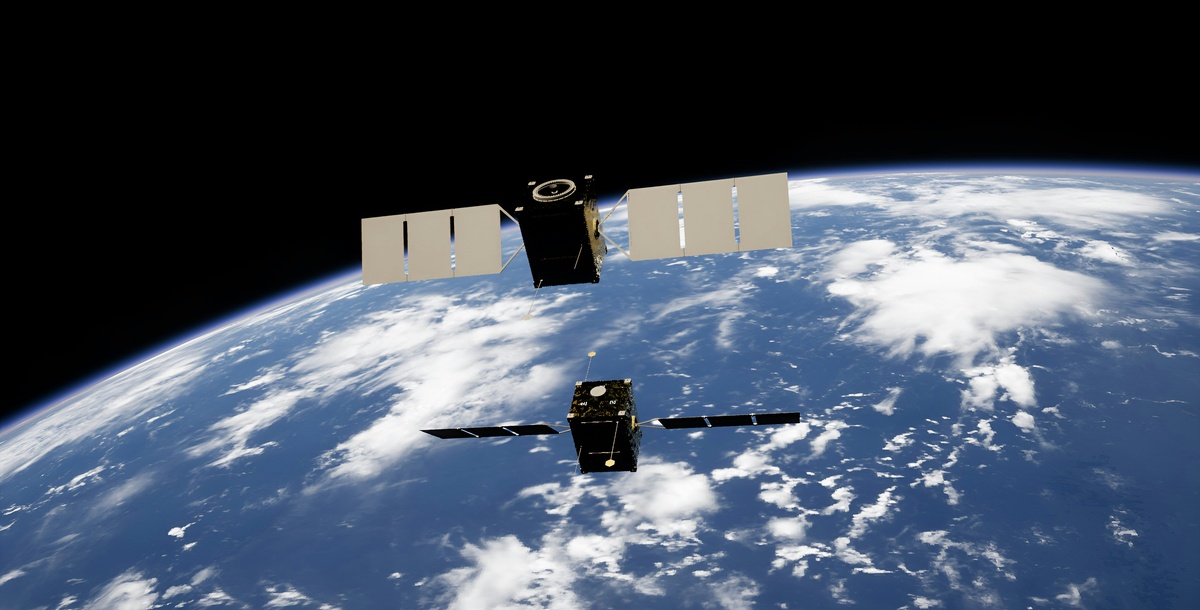
Recently, AST SpaceMobile received commercial authority from the U.S. Federal Communications Commission to offer space-based supplemental coverage services over existing mobile carriers’ 700–800 MHz low-band frequencies using a network of up to 248 low-Earth-orbit satellites. The company is preparing a nationwide direct-to-device service in partnership with AT&T, Verizon and FirstNet. After the April failure of BlueBird 7 aboard Blue Origin’s New Glenn rocket, AST SpaceMobile revised its plan to launch three satellites—BlueBird 8, 9 and 10—together on a SpaceX Falcon 9 in June, and remains on track to deploy approximately 45 satellites by the end of 2026.
AST SpaceMobile is a U.S. low-Earth-orbit satellite communications provider targeting direct-to-device (D2D) connectivity, enabling standard smartphones to connect directly to satellites without additional hardware. Since its Nasdaq listing in 2021, the company has steadily increased investments in satellites, gateways and spectrum assets. The D2D market using LEO satellites is in an early growth stage, with both mobile network operators and satellite providers entering simultaneously, and future developments are expected to be shaped by regulatory frameworks such as the FCC’s Supplemental Coverage Service rules and spectrum authorizations.
Source: SEC 8K Filing