

Canada's 3rd Largest Self-Storage Firm Acquired: U.S. REIT Expands North American Territory with Multi-Billion Dollar Deal
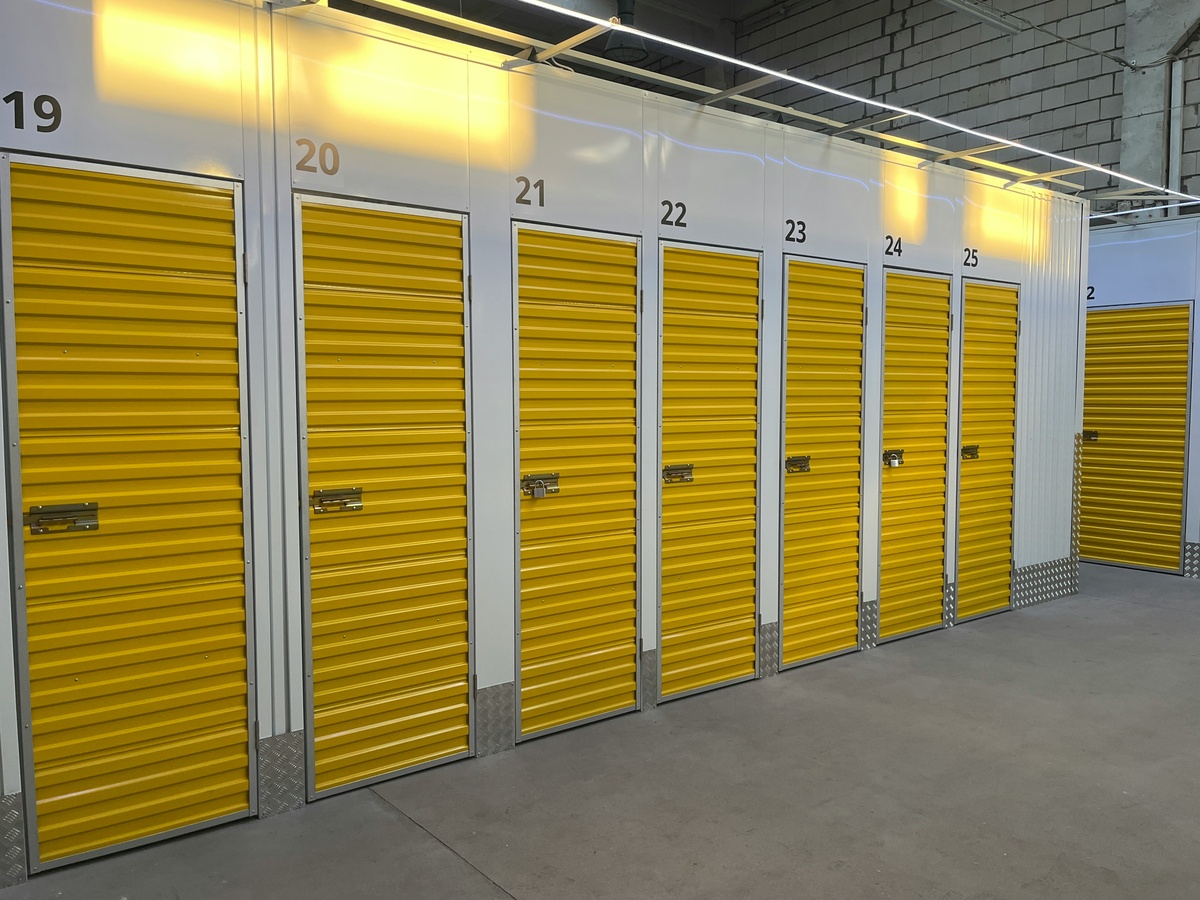
Public Storage (NYSE: PSA) has agreed to acquire Public Storage Canada, the third-largest self-storage operator in Canada, for approximately $1.2 billion (KRW 1.68 trillion). The transaction is structured with an equity stake in the operating partnership, cash consideration and contingent equity based on future performance. It will add 68 logistics-style self-storage facilities across four provinces—including key markets such as Toronto, Montreal and Vancouver—totaling roughly 5.3 million rentable square feet. By integrating these assets into its PS Next operating platform, Public Storage expects mid- to high-single-digit growth in net operating income as well as long-term improvements in funds from operations (FFO) per share and overall yield.
Simultaneously on June 25, the company entered into a new unsecured revolving credit facility of $3.0 billion maturing in 2030 (extendable to 2031), established a $500 million delayed-draw term loan facility, and launched a $1.0 billion unsecured commercial paper program. These financing arrangements are designed to enhance liquidity and lower funding costs for future acquisitions, development, redevelopment and lending activities.
In March, Public Storage agreed to acquire National Storage Affiliates in an all-stock exchange valued at approximately $10.5 billion. That large-scale transaction will combine more than 1,000 assets, with certain properties to be managed through joint ventures to capture additional returns. In April, the company complemented its bank borrowings by issuing $500 million of senior notes due 2035, securing long-term, low-cost capital.
Public Storage is a major REIT included in the S&P 500 and the world’s leading self-storage brand, owning and operating thousands of facilities across the United States and Europe. The self-storage sector has traditionally exhibited defensive characteristics—driven by demand from individual movers and small businesses for personal storage and inventory management. In North America’s fragmented market, larger REITs continue to pursue consolidation and economies of scale through M&A and capital-market initiatives.
Source: SEC 8K Filing