

Congressman Taylor Bets on Energy and Construction, Now Acquires Chevron and IBP
Republican U.S. Representative David J. Taylor of Ohio’s 2nd District purchased shares of energy major Chevron Corporation (NYSE: CVX) and building-materials installer Installed Building Products (NYSE: IBP) on June 15, each transaction valued between $1,001 and $15,000 (approximately 1.3 million to 20 million Korean won), according to a July 1 filing. While the trades complied with the STOCK Act’s 45-day reporting deadline, they reignite conflict-of-interest concerns as Taylor sits on energy- and infrastructure-related committees at a time when proposals to ban congressional stock trading are gaining momentum.
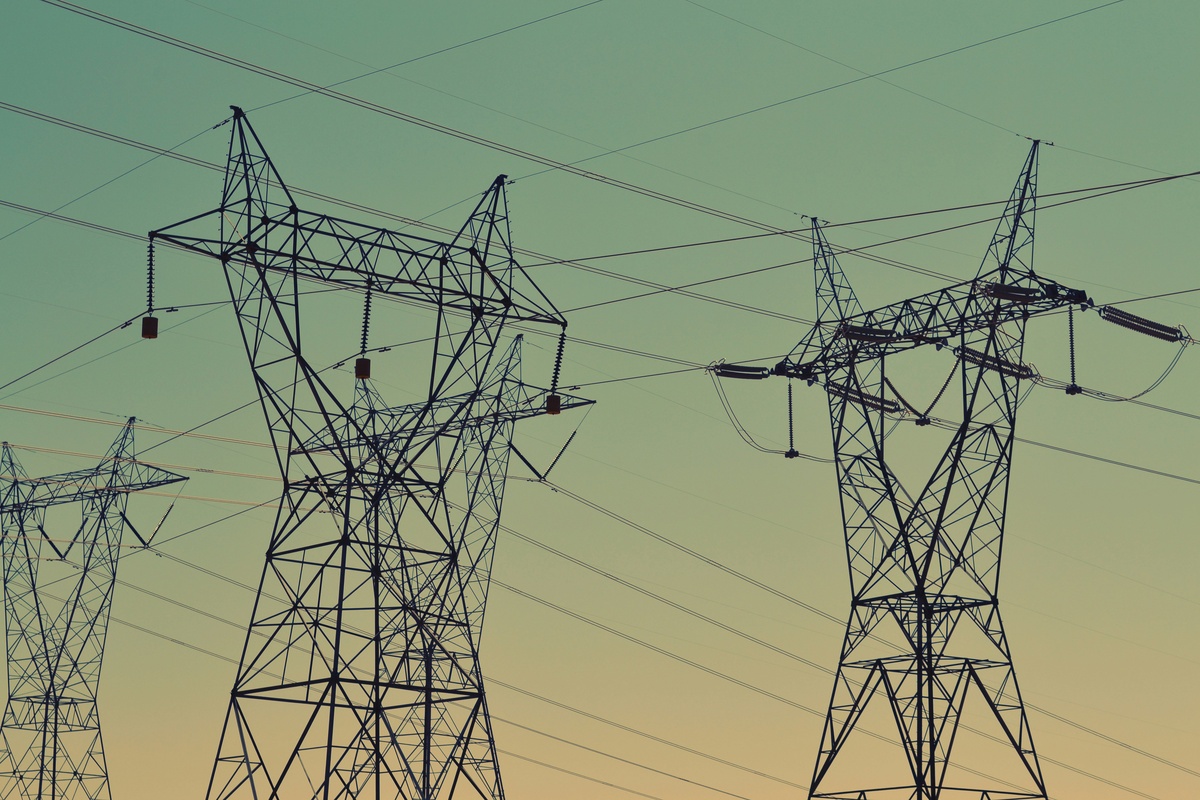
Elected in 2025, Taylor is a freshman member serving on both the House Agriculture Committee and the Transportation and Infrastructure Committee, where he is vice chair of the Water Resources and Environment Subcommittee. In these roles, he influences rural infrastructure, highways, ports and pipeline policy. He has consistently called for lifting the “stigma” on fossil fuels and freeing the U.S. energy sector from restrictive regulations through targeted infrastructure investment, earning him a pro-construction rating from industry lobby groups.
Given his legislative priorities, Taylor’s personal stakes in Chevron—the world’s largest publicly traded integrated energy company, spanning upstream oil and gas production, refining and petrochemicals—and in IBP—a firm that installs insulation and interior finishes in single-family, multi-family and commercial properties—appear directly tied to sectors under his oversight. As legislation like the Stop Insider Trading Act and the Ban Congressional Stock Trading Act moves forward, Taylor faces heightened scrutiny over the potential for regulatory risk and adverse public perception.
Chevron’s stock climbed to about $190 earlier this year on strong earnings and dividend appeal but slipped to the mid-$160s by late June after Brent crude prices fell from roughly $95 to $80 per barrel, underperforming the broader energy sector. Recently, however, several brokerages have raised their outlooks—citing lower oil prices as a buying opportunity, positive second-quarter earnings forecasts, long-term cash-flow improvements and power-supply contracts for major tech-sector data centers—suggesting room for a rebound.
Taylor’s acquisition of Chevron shares is viewed as particularly sensitive because the Transportation and Infrastructure Committee directly oversees energy infrastructure, pipelines and fuel regulations. Even if the purchases reflect a long-term, public-information-based investment strategy, critics argue they reinforce the perception that “those who make the rules are investing in the companies they regulate.”
Installed Building Products reported first-quarter 2026 revenue down 3.5% year-over-year and net income off more than 20%, as its core residential installations segment suffered double-digit declines amid lower housing starts and completions. The stock fell over 6% immediately following the earnings release but recovered to the upper $220s by late June, supported by a substantial share-repurchase program, dividend increases and growth prospects in its commercial and complementary product lines.
Holding equity in a company so closely linked to housing and construction cycles while shaping budgets and standards for roads, logistics, building codes and energy-efficiency incentives highlights a persistent conflict-of-interest issue—even though each purchase was relatively modest in value. Observers warn that such arrangements reignite concerns about “how policy decisions affect personal wealth.”